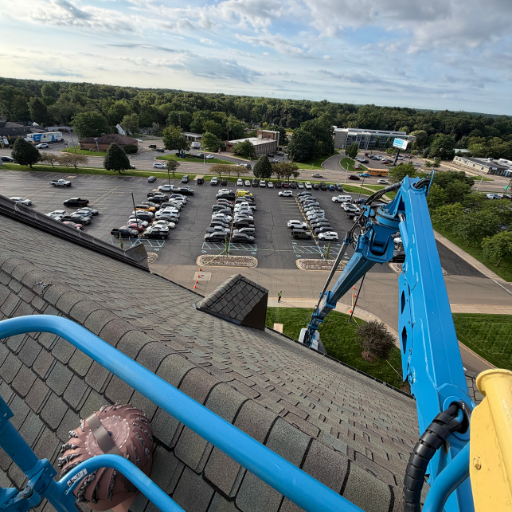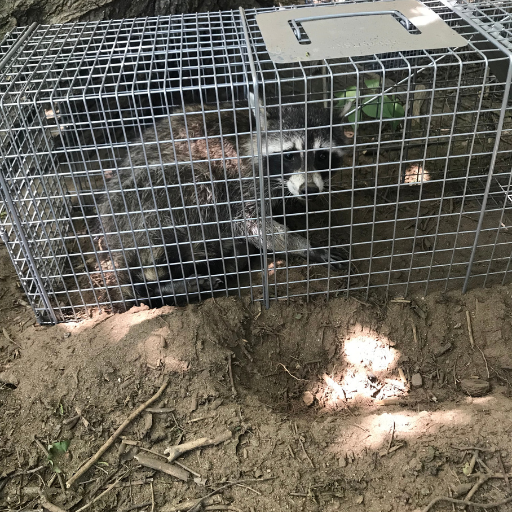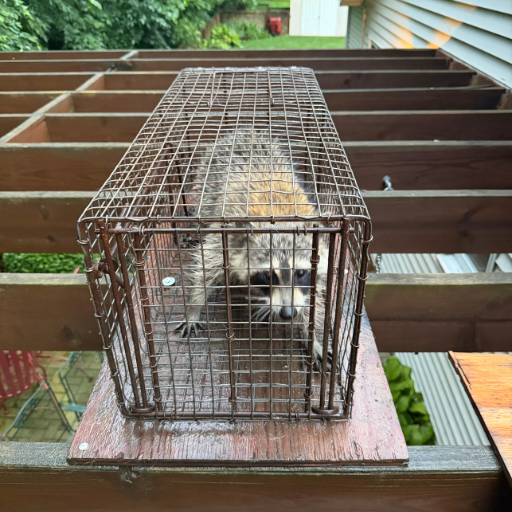
Master Wildlife Control specializes in the control and management of wildlife including exclusion services, remediation, and prevention of future infestations.


 Trustindex verifies that the original source of the review is Google.
 Trustindex verifies that the original source of the review is Google.
 Trustindex verifies that the original source of the review is Google.

 Trustindex verifies that the original source of the review is Google.
 Trustindex verifies that the original source of the review is Google.
 Trustindex verifies that the original source of the review is Google.
 Trustindex verifies that the original source of the review is Google.
 Trustindex verifies that the original source of the review is Google.
 Trustindex verifies that the original source of the review is Google.
 Trustindex verifies that the original source of the review is Google.
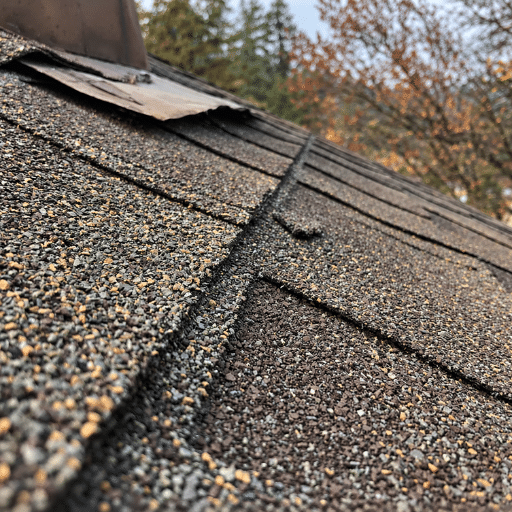
California bats, for the most part, are quite small, and can squeeze through an opening 1″ x 5/8″. Attics and walls provide good roost sites and bats often can enter these areas where the sides of a house meet the roof or chimney. If an entry has been used for any length of time, it becomes stained and easier to identify. You can also find entries by watching in the evening for the bats to emerge
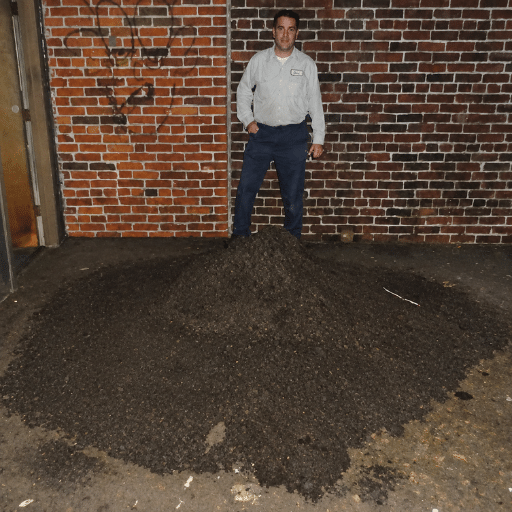
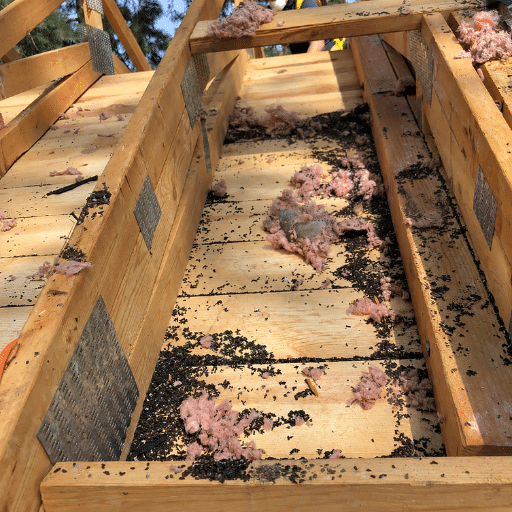
Unlike rodents, bats do not make nests nor can they gnaw, so they do not physically harm your home. If they roost in a home long enough, however, large amounts of guano or urine can build up. This can be a nuisance and, in the eastern U.S. where histoplasmosis is commonly found in bird and mammal droppings, a health hazard.
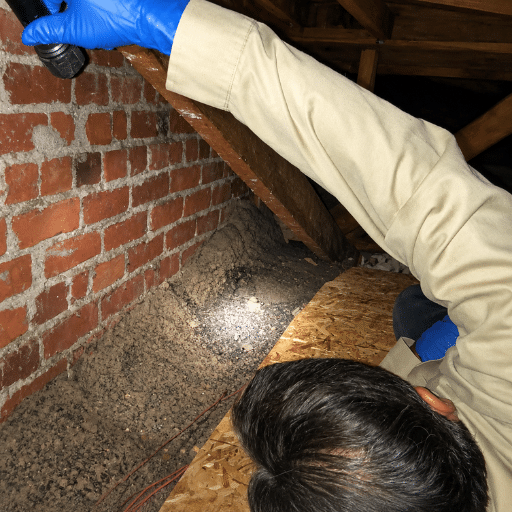
Even though they appear to be similar, bats and mice have very different diets and therefore their droppings are different. Mice eat a lot of vegetable material and their droppings of plant matter don’t crumble. Bats eat insects and their droppings contain tiny bits of insect coverings (elytra). Therefore bat droppings are sparkly in the sunshine and crumbly in texture.
The following picture shows many places that bats find entrance to structures. Most structures are not constructed to prevent bats. It only takes 5/8 inch space by 1 inches for a bat to be able to access a structure. Common places are shown below.
We typically reply within 24 hours.
Safe, effective and humane solutions.
Serving South Bend and surrounding areas.